
Experienced Heart Doctor in Singapore
Dr. Gerard Leong is an experienced Singapore-based cardiologist, with training in Singapore, Massachusetts General Hospital, and The Alfred Hospital. He is dedicated to personalised heart care. Combining experience, and expert specialist knowledge with a patient-focused approach, Dr. Gerard Leong tailors treatments to each individual’s needs, ensuring compassionate and effective care at every stage.
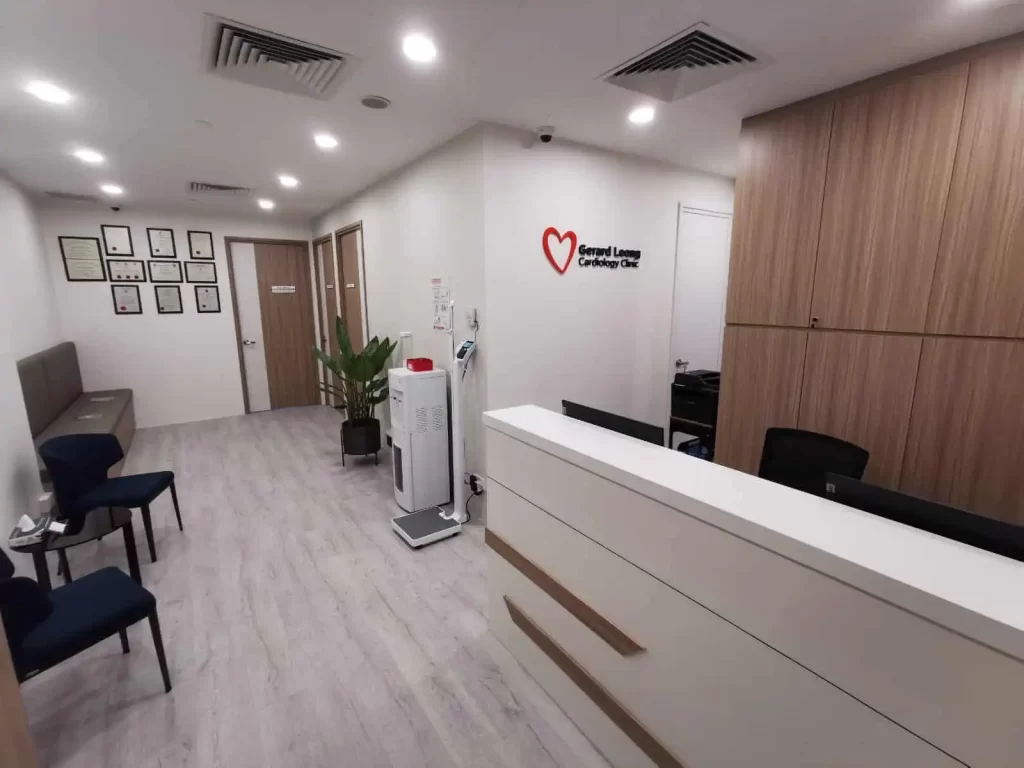
Meet Our Heart Specialist / Cardiologist - Dr. Gerard Leong
MBBS (Singapore), MRCP (UK), FRCP (Edinburgh), FAMS (Cardiology), Diplomate ASCeXAM (National Council of Echocardiography, USA), FACC (USA)
Dr Gerard Leong is an experienced cardiologist with sub-specialties in echocardiography, heart failure, cardiomyopathy, as well as cardio-oncology and resistant hypertension treatment.
With a deep understanding of each individual’s unique health needs, Dr. Gerard Leong combines advanced cardiovascular expertise with a compassionate approach to ensure tailored treatment plans that support long-term heart health and overall well-being. Whether managing complex heart conditions or guiding preventive care, Dr. Gerard Leong prioritises trust, clarity, and holistic support at every step of your heart health journey.
He underwent training in Singapore and obtained a medical degree and heart specialist accreditation.
At the same time, he also completed advanced heart failure and transplant cardiology at Massachusetts General Hospital; An affiliate hospital of Harvard Medical School, in Boston, United States in 2008.


Why & When You Should See a Heart Specialist / Cardiologist
Heart disease and related conditions are common.
This disease accounts for around 30% of deaths in Singapore, and the trend continues to increase.
The number of episodes of acute myocardial infarction (AMI) increased from 7,344 episodes in 2010 to 12,533 episodes in 2019. In addition, between 2010 and 2019, the proportion of patients with hypertension and hyperlipidemia increased from year to year.
In 2019, it was found that 75.3% of AMI patients suffered from hypertension and 73.4% suffered from hyperlipidemia.
Given these trends, understanding when to seek professional medical advice is more important than ever. While some heart conditions can be silent, many present with clear warning signs. If you experience any of the following, it is essential to consult a medical professional promptly.
See a heart doctor if you experience:
- Sharp pain to a feeling of heavy pressure
- Feeling out of breath after minimal exertion is a significant red flag
- Heart is skipping beats, fluttering, or beating too fast.
- Swelling in the Legs (Edema)
- Persistent tiredness or lightheadedness that isn’t normal for you.
Furthermore, even in the absence of symptoms, a proactive heart checkup with a heart doctor is advisable for individuals with a high-risk profile. The goal of a cardiologist is not just to treat disease, but to prevent it.
If you have at least one of these risks, consider seeing a doctor: a family history of premature heart disease, diabetes, long-term high blood pressure, or high cholesterol.
Read more about Cardiac Arrest and Heart Disease Symptoms here.
Common Heart Conditions Treated by a Heart Specialist / Cardiologist
Common heart disease conditions include Coronary Artery Disease (CAD) aka ischemic heart disease (IHD), hypertension, heart failure or cardiomyopathy, atrial fibrillation, high cholesterol, and heart valve disease.
Common heart-related diseases include stroke, and vascular dementia. Where, vascular dementia accounts for 30-50% of all dementia cases.
Our Heart Services
Heart Checkup
At GLCC, we believe in personalised care. Dr Gerard Leong will first have a consult to understand individual patient's needs before ordering accurate and suitable tests required.
Symptoms of Pain in the Chest & Heart
Cardiac related symptoms may include chest pain, tightness, pressure. Pain radiating to jaw, neck and back. Shortness of breath and cold sweats.
Heart Blockage
Diagnosing the degree of severity of coronary arteries blockages and appropriate treatment (Medical therapy or angioplasty)
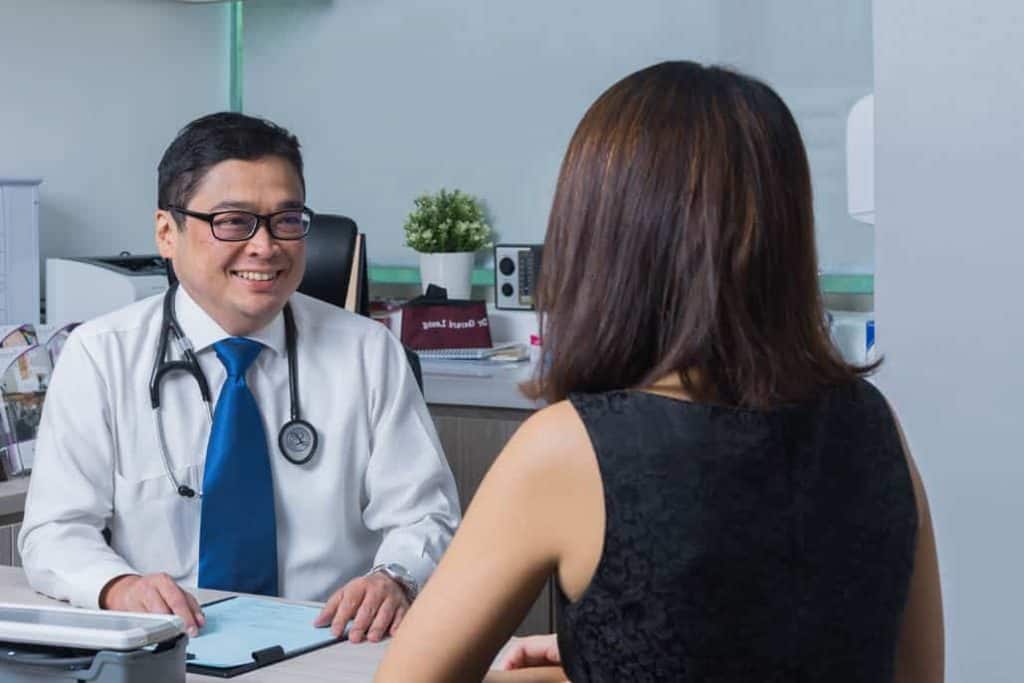
Why Choose Gerard Leong Cardiologist Clinic (GLCC) if You Need A Heart Specialist?
Dr Gerard Leong and his fellow cardiologists at GLCC are highly committed & specialized in treating various heart diseases.
At GLCC, we place great emphasis on good lifestyle-based management as part of comprehensive holistic care. Where we involve patient participation in lifestyle adjustments, judicious use of medications, and appropriate use of procedures. For example, echocardiography imaging, or stent placement in heart disease.
Dr Gerard Leong has a special interest in ischemic heart disease, in particular the appropriate use of stenting or bypass surgery, heart failure, cardio-obstetrics, cardio-oncology, hypertension treatment, and strategies to reduce the risk of stroke, and dementia.
Dr Gerard Leong Previous Appointments:
Co-chair of the Singapore Ministry of Health’s Working Committee on Integrated Care Pathways for Ischemic Heart Disease and Heart Failure in 2011.
Chair of the Eastern Health Cluster Cardiac Care Integrated Services Subcommittee in 2008.
Member of the Singapore Clinical Practice Guidelines Committee for Heart Failure, the Singapore Heart Data Bank sub-committee, the Heart Failure Advisory Committee and the National Heart Failure Service Improvement Programme.
Together with colleagues, Dr Leong is a founding board member of the Heart Failure Society (Singapore), and served 2 terms, 2017-2018, and 2019-2020.
FAQs on Visiting a Heart Doctor / Cardiologist in Singapore
What are the common symptoms of a heart attack?
A heart attack can present symptoms such as chest pain or discomfort, shortness of breath, nausea, lightheadedness, and pain in the arms, neck, or jaw. If you suspect a heart attack, seek emergency medical attention immediately.
How do I prevent heart disease and stroke?
Maintaining a healthy lifestyle is key to preventing heart disease and stroke. A heart doctor in Singapore may recommend regular exercise, a balanced diet, blood pressure and cholesterol management, and avoiding smoking and excessive alcohol consumption. Regular heart screenings can also help detect risk factors early.
When should I see a heart doctor / cardiologist in Singapore?
If you experience symptoms like chest pain, shortness of breath, irregular heartbeat, or high blood pressure, it may be time to see a cardiologist. Individuals with a family history of heart disease or conditions like diabetes should also consider regular heart screenings with a heart specialist in Singapore.
What happens during a consultation with a heart doctor / cardiologist?
During your visit, a cardiologist in Singapore will review your medical history, discuss symptoms, and perform a physical examination. Depending on your condition, further tests may be recommended to diagnose heart disease and create a personalised treatment plan.
What tests do heart doctor / cardiologists in Singapore perform?
A Singapore cardiologist may perform tests such as electrocardiograms (ECG), echocardiograms, treadmill stress tests, coronary calcium scans, and blood tests to assess heart health. More advanced diagnostic procedures like CT coronary angiography or cardiac catheterization may be recommended for specific conditions.
How do I make an appointment with a heart specialist in Singapore?
You can schedule an appointment with a heart doctor by contacting the clinic directly via phone or online booking. If you require urgent consultation, some cardiologists in Singapore may offer same-day or priority appointments for high-risk patients.
Related Articles

The Connection Between Stress and Heart Health: What a Heart Doctor Wants You to Know
Find out how stress affects your heart health and what you can do to manage it. Get expert advice from a heart doctor on staying healthy and balanced.
Read More
Heart Attack Triggers in Everyday Singapore Life — From Hawker Food to Office Stress
Find out how daily habits in Singapore can raise your heart attack risk. Learn practical tips from a heart doctor to stay healthy and manage stress.
Read More
Unexpected Heart Disease Symptoms You Might Ignore — And What to Do
Chest pain is not the only warning sign. Learn about the unexpected heart disease symptoms you might overlook and when to seek medical help.
Read More